Gold has stood the test of time as a reliable store of value, but not all gold investments are created equal. Among the many options available, old gold coins offer a unique blend of historical significance, intrinsic value, and collector appeal.
In 2026, they continue to attract investors who want more than just exposure to gold—they want assets with character, scarcity, and long-term upside potential.
In this guide, we’ll share our list of the top 6 old gold coins to buy in 2026. We’ll also explore what defines an old gold coin, whether they’re a smart investment, how they compare to modern bullion coins, and how to include gold coins in an IRA tax-free.
Table of Contents
ToggleWhat Are Old Gold Coins?
Old gold coins are gold coins minted decades—or even centuries—ago, often before the rise of modern bullion programs in the late 1900s. Many of these coins were once used as everyday currency, circulating through economies before being withdrawn, melted down, or preserved by collectors. Today, they are valued not only for their gold content but also for their historical context, rarity, and craftsmanship.
Most old gold coins fall into two major categories:
- Pre-1933 U.S. gold coins (before Executive Order 6102 reshaped gold ownership in America)
- Historic international coins from Europe and beyond
Because many of these coins were melted during economic crises or policy changes, surviving examples are often limited—adding to their desirability and premium value. Understanding what defines an old gold coin helps explain why they carry more than just melt value. But definition alone isn’t enough, so let’s look at whether they actually make sense as an investment.
Are Old Gold Coins a Good Investment?
Old gold coins can be a compelling investment, particularly for those who want diversification beyond standard bullion. Unlike modern gold products that primarily track the spot price, old coins offer a dual-value proposition: they are both a commodity and a collectible.
Investors are often drawn to old gold coins because:
- Their supply is fixed—no more will ever be minted
- Certain coins appreciate due to collector demand and rarity
- They can act as a hedge not just against inflation, but also against systemic financial uncertainty
However, investing in old gold coins requires a slightly different mindset. You’re not just buying gold—you’re entering the world of numismatics, where factors like grading, mint marks, and historical significance can heavily influence price.
Old gold coins can be rewarding, but they’re not as straightforward as bullion. That naturally leads to the next question: how do they compare in value to newer gold coins?
>>>Request a FREE Guide on Bullion Investments

Are Old Gold Coins Worth More Than Newer Coins?
The value difference between old and new gold coins comes down to what drives their price.
Modern bullion coins are typically priced close to the spot price of gold, with small premiums for minting and distribution. Old gold coins, on the other hand, can command significantly higher premiums depending on their rarity and condition.
For example, a common-date old coin in average condition might trade close to its melt value, while a rare coin in excellent condition could sell for multiples of its gold content. This introduces both opportunity and complexity.
In contrast to old coins, modern coins offer simplicity. They are easy to price, easy to sell, and widely recognized. Old coins, however, offer potential upside beyond gold itself, especially in strong collector markets. So while newer coins prioritize simplicity, older coins introduce added layers of value.
With that in mind, let’s explore some of the most popular old gold coins investors are buying in 2026.
Top 6 Old Gold Coins to Buy in 2026
Here’s our list of the top 6 old coins to buy in 2026, including a brief history and explanation of each coin:
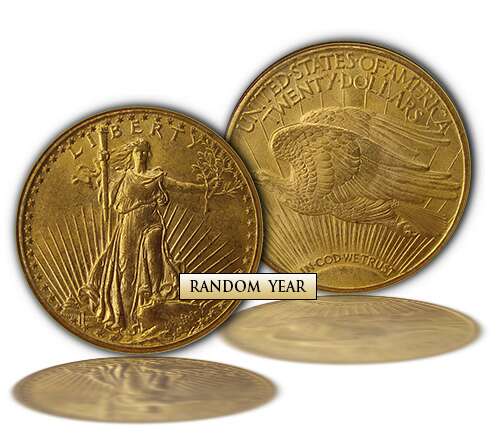
Saint-Gaudens Double Eagle (1907–1933)
Liberty Head Double Eagle (1849–1907)
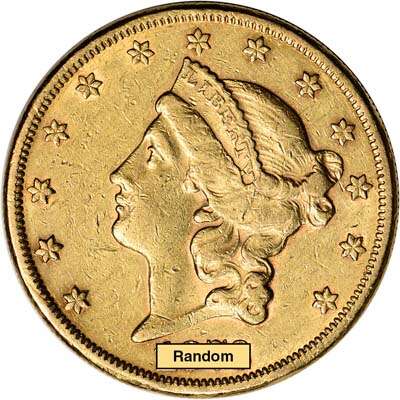
Preceding the Saint-Gaudens design, the Liberty Head Double Eagle represents a longer stretch of American monetary history. Minted during periods like the California Gold Rush, these coins carry both economic and historical significance.
They are often slightly more affordable than Saint-Gaudens coins in similar condition, making them an attractive entry point for investors looking to own pre-1933 U.S. gold.
British Gold Sovereign (Older Issues)
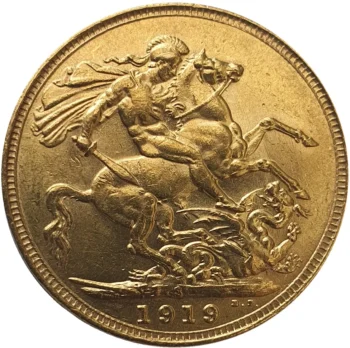
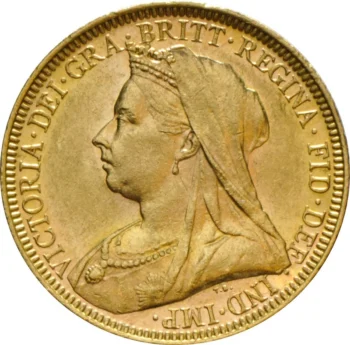
The British Gold Sovereign is one of the most widely circulated gold coins in history, once used across the global British Empire. Older versions featuring monarchs like Queen Victoria are especially popular.
These coins are valued for their global recognition, relatively low premiums compared to some U.S. coins, and ease of liquidity in international markets.
French 20 Franc Gold Coins (Napoleon Series)
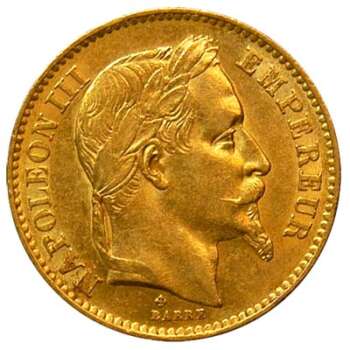
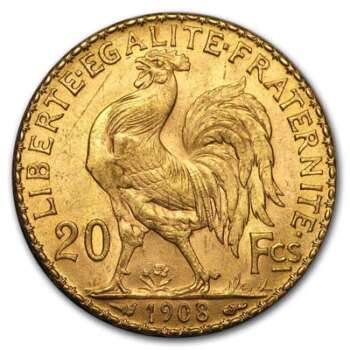
French 20 Franc coins are a favorite among investors seeking affordable historic gold. Featuring figures like Napoleon Bonaparte or iconic national symbols, these coins offer both visual appeal and accessibility.
Because they were minted in large quantities, many remain available today, often at lower premiums than rarer coins—making them ideal for stacking historic gold.
Indian Head Eagle Coins ($10, $5)
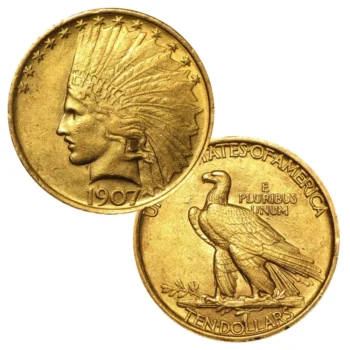
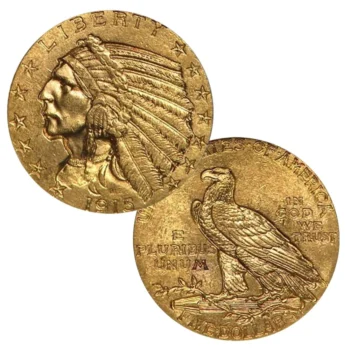
These coins stand out due to their unique incuse design, where the images are recessed into the coin rather than raised. This distinctive feature, combined with limited mintage, makes them highly collectible.
They appeal to investors who want something visually different while still benefiting from strong gold content and historical significance.
Austrian Gold Ducats
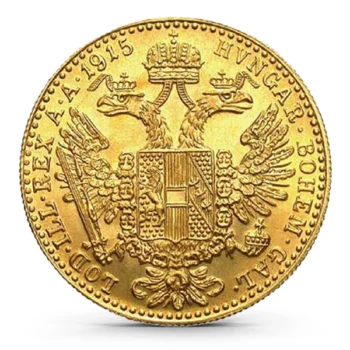
Austrian ducats are known for their thin, elegant design and high gold purity. Coins featuring Franz Joseph I are particularly popular among investors.
They are often restrikes (minted later using original designs), which keeps premiums relatively low while still offering the look and feel of historic coinage.
These coins highlight the diversity within the old gold coin market—from rare U.S. pieces to widely available European options. But how do they compare to modern alternatives? Let’s take a closer look.
Popular Newer Gold Coins for Investors Who Prioritize Efficiency
Modern gold bullion coins are designed specifically for investors, offering standardized weights, purity, and pricing closely tied to the spot price of gold.
Some of the most popular options include:
- American Gold Eagle
- Canadian Gold Maple Leaf
- South African Krugerrand
- Australian Gold Kangaroo
- American Gold Buffalo
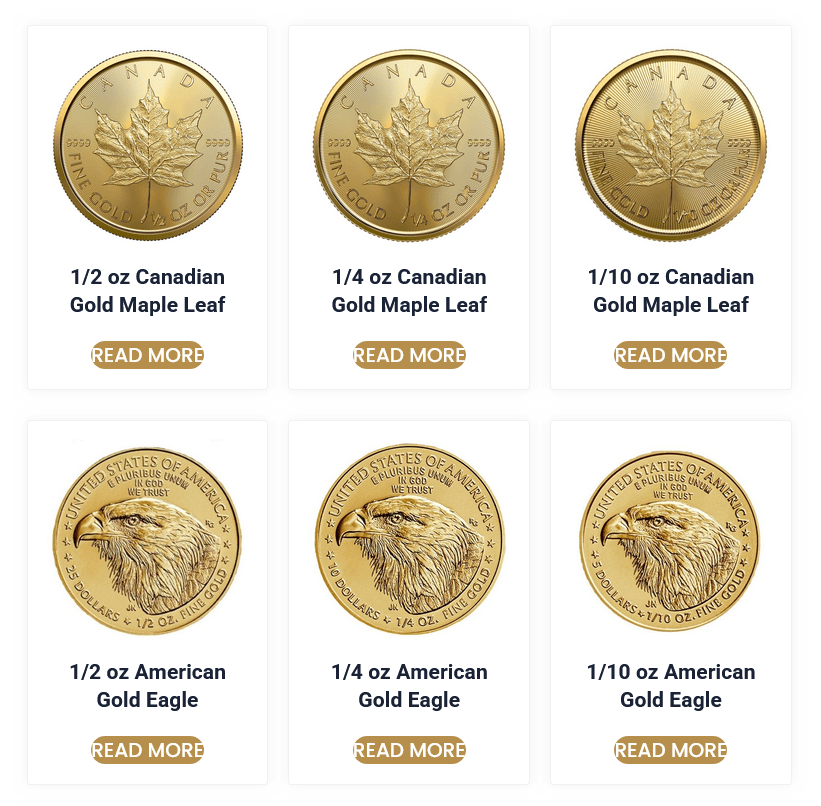
Image Source: metalsedge.com
These coins are widely recognized, easy to verify, and highly liquid, making them ideal for investors who prioritize efficiency and transparency over collectibility. Modern coins simplify gold investing, while old coins add depth and potential upside.
Pros and Cons of Old Gold Coins
To bring everything together, let’s weigh the advantages and drawbacks of investing in old gold coins:
Investing in Gold Coins Through an IRA
Investing in gold coins through an Individual Retirement Account (IRA) allows you to combine the stability of physical gold with the tax advantages of a retirement account. This type of account, commonly known as a gold IRA, is a self-directed IRA that enables you to hold approved precious metals, like gold coins and bars, instead of traditional assets, such as stocks or mutual funds.
To qualify for IRA inclusion, gold coins must meet strict IRS requirements. This typically includes a minimum purity level (usually .995 or higher) and approval from recognized government mints.
Popular eligible coins include the American Gold Eagle and the American Gold Buffalo, along with certain international bullion coins that meet these standards.
One of the most important rules to understand is that you can’t store IRA gold at home. Instead, the IRS requires that all precious metals held within an IRA be stored in an approved third-party depository. These facilities are specifically designed to safeguard high-value assets, offering features like advanced security systems, insurance coverage, and strict access controls.
Gold IRA Set Up Process
Setting up a gold IRA typically involves three key players:
- A custodian who administers the account and ensures compliance with IRS rules
- A gold IRA company that supplies the coins
- A secure depository, like the Delaware Depository, where your gold is stored
The process often begins with a rollover or transfer from an existing retirement account, such as a 401(k) or traditional IRA. Once funded, you can select approved gold coins to add to your portfolio.
From an investment perspective, gold coins in an IRA can serve as a hedge against inflation, currency depreciation, and market volatility. Because gold historically moves independently of stocks and bonds, it can help diversify your retirement savings and reduce overall portfolio risk.
A Gold IRA Involves Annual Fees
However, it’s important to consider the costs. Gold IRAs typically include custodian fees, storage fees, and dealer premiums, which can be higher than those associated with traditional retirement accounts.
Additionally, required minimum distributions (RMDs) apply to traditional gold IRAs, meaning you may need to sell assets or take distributions at a certain age. You can learn everything you need to know about gold IRAs in our Gold IRA FAQ.
To recap, a gold IRA offers a structured, tax-advantaged way to invest in physical gold coins while benefiting from long-term diversification. While it requires more setup and ongoing fees than traditional accounts, it can be a powerful strategy for protecting purchasing power and adding stability to your retirement portfolio.

Which Gold Coins Are IRS-Approved?
When investing in gold through a self-directed IRA, the IRS has strict rules about which coins qualify. To be eligible, gold coins must generally meet a minimum purity of 99.5% (.995 fine gold) and be produced by an approved government mint. However, there are a few notable exceptions.
Here’s a list of widely recognized IRS-approved gold coins investors can include in a gold IRA.
U.S. Mint Gold Coins
- American Gold Eagle
- American Gold Buffalo
The American Gold Eagle is a special exception—it contains 91.67% gold (22k)—but is still IRA-eligible due to its official U.S. Mint status. The Gold Buffalo, on the other hand, meets the .9999 purity requirement and is one of the purest gold coins available.
U.S. coins are among the most trusted and commonly held in IRAs. Expanding beyond the U.S., several international bullion coins also meet IRS standards.
Canadian Gold Coins
- Canadian Gold Maple Leaf
- Canadian Gold Maple Leaf fractional coins (various sizes)
The Gold Maple Leaf is one of the most popular IRA-eligible coins due to its .9999 purity and advanced security features, making it highly trusted worldwide.
Australian Gold Coins
- Australian Gold Kangaroo
- Australian Gold Nugget (earlier version of Kangaroo series)
Produced by the Perth Mint, these coins meet purity requirements and are known for their annually changing designs, which also add collectible appeal.
Austrian Gold Coins
Austrian Gold Philharmonic. This coin is one of Europe’s most widely traded gold bullion coins, offering .9999 purity and strong liquidity across global markets.
Other Eligible International Gold Coins
- South African Krugerrand (Note: Only certain modern versions may qualify when meeting purity standards—always confirm with your custodian)
- Chinese Gold Panda (.999 fine or higher, depending on year)
- British Gold Britannia (.9999 fine gold, modern versions only)
These coins are widely recognized and traded globally, but eligibility can depend on the specific year and purity, so verification is essential.
Gold Bars and Rounds (Also IRA-Eligible)
In addition to coins, investors can also hold:
- Gold bars (.995+ purity)
- Gold rounds from approved refiners (e.g., LBMA-approved)
However, coins are often preferred due to their ease of liquidation and widespread recognition.
Important Notes on IRS Eligibility
Not all gold coins qualify, even if they are made of gold. The IRS specifically excludes:
- Rare or collectible (numismatic) coins
- Pre-1933 U.S. gold coins
- Coins that do not meet purity requirements
- Privately minted or commemorative coins
In general, “collectible” coins are not allowed, even if they contain significant gold value.
Final Thoughts: The Best Old Gold Coins to Buy in 2026
Old gold coins remain one of the most fascinating ways to invest in gold in 2026. They combine intrinsic value, historical significance, and potential for appreciation beyond the metal itself.
However, when investing in newer gold coins through an IRA, investors can enjoy tax-deferred growth on their money while securing their retirement savings with a tangible asset.
For investors who enjoy learning about history and are willing to navigate a slightly more complex market, old gold coins can be a powerful addition to a diversified portfolio. Meanwhile, those seeking simplicity may still prefer modern bullion coins. Ultimately, the best strategy may be a mix of both—leveraging the stability of modern gold with the unique upside of historic coins.
Disclaimer: This is not financial advice. You should always refer to a professional financial advisor before making any investment.