Gold bars versus coins is not a question of which form of gold is better in every situation. Both can help preserve purchasing power outside the banking system, and both give investors direct exposure to a tangible asset that cannot be printed out of thin air.
The better choice depends on how much you are investing, whether the gold will sit inside an IRA, how quickly you may need to sell, and how much flexibility matters to you.For many retirement-focused investors, physical gold is less about chasing a short-term price move and more about building a durable layer of protection against inflation, currency weakness, market volatility, and geopolitical uncertainty. The form you buy affects your costs, storage needs, and exit options.
In this article, we’ll discuss whether gold bars versus coins are best for long-term investment and Gold IRAs, and what tax implications they carry.
Let’s begin by taking a look at the core difference between gold bars and gold coins.
Gold Bars Versus Coins: What’s the Core Difference

A gold bar is a rectangular piece of refined gold, usually stamped with its weight, purity, refinery name, and sometimes a serial number.
Common sizes range from one gram and one ounce to 10 ounces, one kilogram, and 400-ounce wholesale bars. Most individual investors focus on one-ounce, 10-ounce, or kilogram bars.
Gold coins are government-minted pieces with a stated face value and legal-tender status, although their gold content is usually worth far more than that face value.

Popular bullion coins include:
 American Gold Eagles
- American Gold Buffalos
- Canadian Gold Maple Leafs
- And Austrian Gold Philharmonics
Their investment value is driven primarily by gold content and the live gold price, not by their denomination. The key distinction is practical.

Bars generally provide more gold for each dollar spent because their manufacturing costs are lower. Coins typically cost more per ounce but can be easier to recognize, sell in smaller increments, and pass on to family members.
Related:
- Top 4 Most Secure Gold Depositories for Precious Metals IRA Investors
- Protect Your Metals: Top 10 Bullion Storage Questions to Ask
- How to Buy Silver Bullion Without Costly Mistakes: A Beginner’s Guide
Why Bars Often Make Sense for Larger Gold Purchases
 The largest advantage of bars is usually a lower premium over the spot price of gold. A premium is the amount paid above the market value of the metal itself. Refining, fabrication, shipping, dealer overhead, and market demand all influence it.
Because a 10-ounce bar requires less packaging and production work per ounce than ten separate one-ounce coins, it often carries a lower premium.
That difference can matter when investing tens of thousands of dollars. If your goal is to accumulate as many ounces as possible for a set budget, bars can be an efficient choice.
Bars also work well for investors who expect to hold gold for years and do not anticipate needing to sell small portions along the way.
A properly stored bar from a recognized refinery is straightforward, highly liquid bullion. Reputable gold dealers commonly buy bars back, particularly those from widely accepted refiners.
There is a trade-off. A large bar is less divisible. If you own one 10-ounce bar and need the cash equivalent of two ounces, you generally must sell the entire bar rather than shaving off a portion.
For someone building a personal reserve with possible future liquidity needs, that lack of flexibility deserves attention.
Very small bars can also be less cost-effective than investors expect. One-gram or five-gram bars may be convenient gifts or entry-level purchases, but their per-ounce premiums can be substantially higher.
They do not automatically provide the cost advantage associated with larger bullion bars.
 Unlock the power of gold & silver investing by requesting a FREE Gold IRA Guide:

Why Coins Can Offer More Flexibility
 Bullion coins are often the more practical choice for investors who value liquidity, recognizability, and smaller sale units.
A one-ounce American Gold Eagle is familiar to dealers and buyers across the United States. That familiarity can make the selling process feel more straightforward, especially during periods of strong retail demand for physical gold.
Coins also allow you to sell selectively. An investor with 20 one-ounce coins can sell two or three coins to cover an expense while keeping the rest of the position intact.
That flexibility can be valuable in retirement, when cash-flow needs may change from year to year.
Government-minted coins can carry higher premiums, particularly when demand rises during periods of economic stress. Popular coins may also command stronger resale interest.
Still, a higher purchase premium is not guaranteed to be recovered at sale. The buyback spread matters just as much as the price you pay upfront.
For many families, coins have an additional appeal: they are easy to inventory, understand, and divide among heirs. A collection of one-ounce bullion coins can be simpler to distribute than a single large bar.
That does not make coins automatically superior, but it can make them more suitable for a legacy-oriented plan.
Do Not Confuse Bullion Coins With Collectible Coins
This distinction protects investors from a common and costly mistake. Bullion coins derive most of their value from metal content.
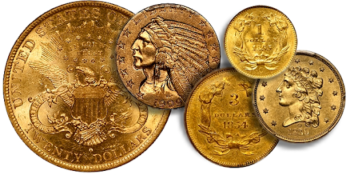 Collectible, rare, or numismatic coins may derive much of their value from scarcity, condition, age, mint marks, and collector demand.
Rare coins can be legitimate assets, but they require specialized knowledge and can have much wider dealer spreads. A coin marketed as rare may carry a high premium that is difficult to recover.
Investors seeking straightforward gold exposure and wealth preservation are usually better served by widely traded bullion products with transparent pricing.
Ask any dealer to clearly state the product’s gold weight, purity, premium over spot, and expected buyback terms. If the conversation focuses heavily on rarity while avoiding those basic numbers, proceed carefully.
Gold IRA Rules Change the Decision
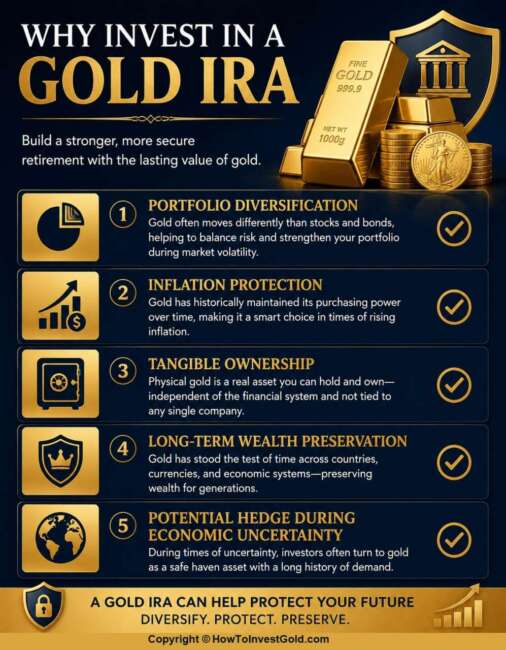
If you are using retirement funds through a self-directed Gold IRA, your choice is limited by Internal Revenue Service rules and by the custodian’s approved product list. Not every gold bar or coin qualifies.
In general, IRA-eligible gold bars must meet a minimum fineness standard of .995 and be produced by an approved refiner, assayer, or manufacturer. Many well-known bullion bars meet this requirement.
Gold coins must also satisfy specific requirements. American Gold Eagles are a notable exception to the usual purity standard and are permitted in Gold IRAs, while many collectible coins are not.
Your IRA-owned metals must be held by an approved custodian in a qualified depository. You cannot buy IRA gold and store it at home or in your personal safe while treating it as an IRA asset.
Taking possession can trigger a distribution, with potential taxes and penalties depending on your age and circumstances.
Within an IRA, the case for bars can be stronger when you are making a larger rollover and want lower per-ounce costs.
The case for coins can be stronger when you prefer recognizable products and want the option to liquidate in smaller increments later.
Storage fees, insurance, and custodian policies may also differ by provider, so review the full fee schedule before funding an account.
Unlock the power of gold & silver investing by requesting a FREE Gold IRA Guide:
Taxes Matter for Gold Held Outside an IRA
Gold held personally is subject to a different tax framework than gold held in a tax-advantaged retirement account.
Physical gold is generally treated as a collectible for federal tax purposes, and gains may be taxed differently from gains on stocks or mutual funds.
State sales-tax rules also vary, with exemptions in some states based on the type or value of the purchase.
Bars and bullion coins are generally more alike than different on this point. The tax question is usually about how and where you own the gold, not whether it is round or rectangular.
Keep purchase confirmations, invoices, and sale records. Before selling a sizable position, speak with a qualified tax professional who understands precious metals transactions.
Related:
- How to Start a Gold IRA in 3 Simple Steps
- How to Start a Silver IRA in 3 Simple Steps
- Physical Gold Taxes: What US Investors Need to Know
How to Choose Based on Your Goal
Start with the role gold will play in your broader financial plan. If you are allocating a substantial amount to physical gold and want to minimize the premium paid per ounce, recognized bars may fit well.
This is especially true for investors using a Gold IRA for long-term diversification and professional depository storage.
If you want greater flexibility, smaller liquidation options, and products that are instantly recognizable in the retail market, one-ounce bullion coins may be worth the additional premium.
Coins can also be a sensible choice for investors who plan to build their holdings gradually or leave easily divisible assets to heirs.
Many disciplined investors use both. They may place lower-premium bars at the core of a larger long-term allocation, then add a smaller allocation of widely recognized coins for flexibility.
The right mix should reflect your budget, timeline, storage arrangement, and the level of access you may need in an emergency.
Before buying:
- Compare the actual all-in price, not just the advertised spot price
- Confirm the product’s weight and purity
- Ask about the dealer’s buyback policy
- Verify IRA eligibility if retirement funds are involved
- And avoid pressure to purchase products you do not fully understand
Gold is meant to bring confidence to a wealth-preservation plan, not create a new layer of uncertainty.
A carefully chosen bar or coin can serve the same larger purpose: owning a tangible store of value while maintaining control over how your retirement and family wealth is protected.
Related:
- Protect Your Metals: Top 10 Bullion Storage Questions to Ask
- How to Buy Silver Bullion Without Costly Mistakes: A Beginner’s Guide
- Gold Demand and Supply: 4 Key Forces Behind Price Swings